
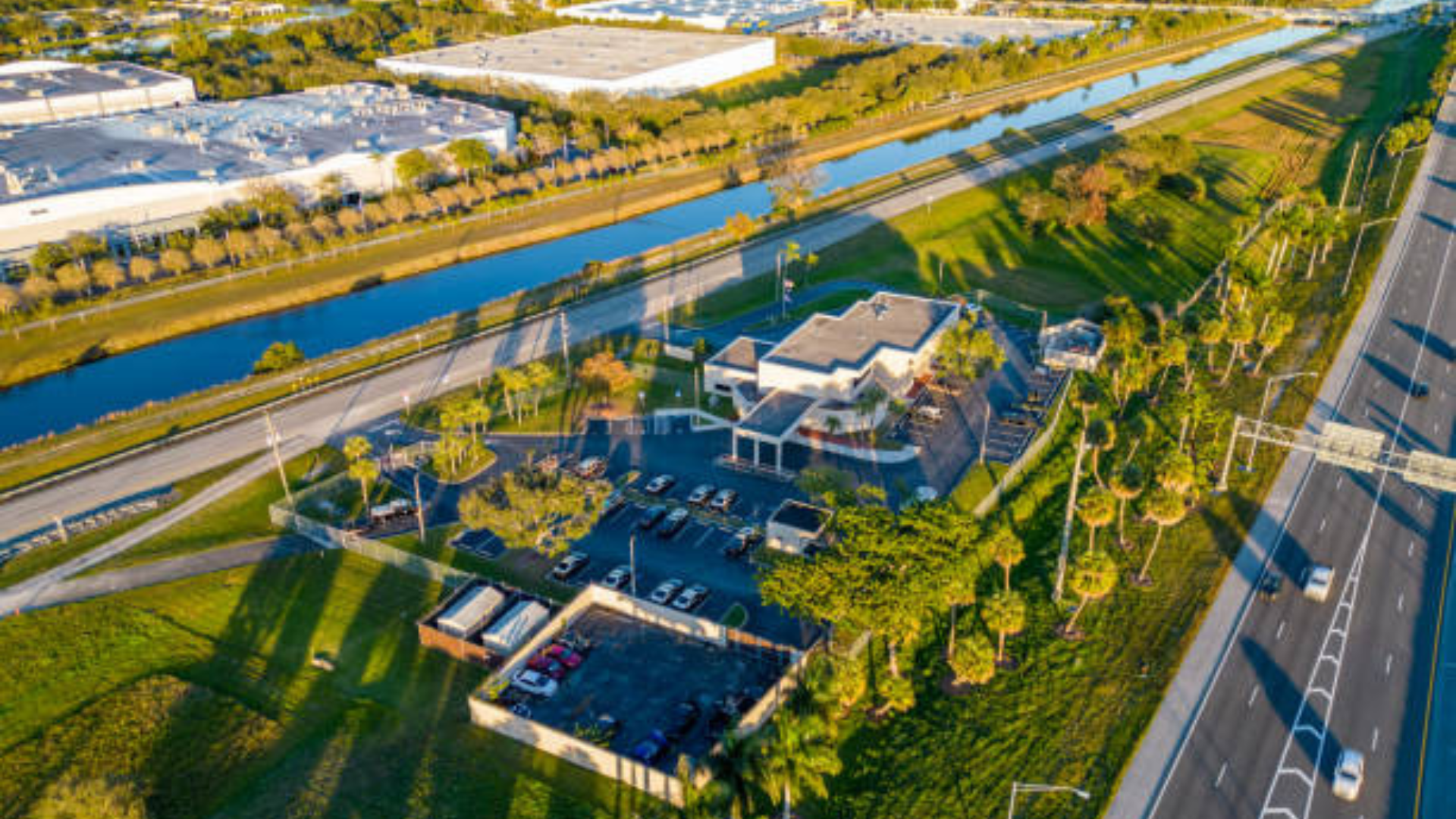
Step-by-Step Guide to Buying Commercial Property in Plantation, FL
I have worked with buyers across Broward County for years, and one pattern keeps repeating itself. Many investors spend most of their time looking at buildings and very little time studying the market around them.
Plantation tends to reward the opposite approach.
The city sits near the center of Broward County, with direct access to I-595, Florida’s Turnpike, and Fort Lauderdale-Hollywood International Airport. More than 5,400 businesses operate here, including major employers such as Motorola Solutions, Aetna, TradeStation, and Virgin Voyages. That concentration of employers matters because commercial real estate values are tied to jobs, population growth, and business activity.
For buyers, Plantation offers something that has become harder to find in South Florida. It is a mature market with established infrastructure, a diverse economic base, and enough transaction activity to create opportunities without the volatility seen in some coastal submarkets. Many investors evaluating opportunities with commercial real estate companies in FL view Plantation as one of Broward County’s most stable commercial markets.
If you are considering a commercial acquisition in Plantation, this is the process I recommend following.
Key Takeaways
- Plantation remains one of Broward County’s most established commercial markets.
- Medical office, retail, and flex industrial properties continue attracting buyers.
- The Midtown District and Gateway District remain active areas for investment.
- Florida’s elimination of the commercial lease tax changed the economics for many tenants and landlords.
- Due diligence often determines whether a deal succeeds or falls apart.
- Experienced buyers spend more time evaluating risk than searching listings.
Step 1: Decide What You Are Buying and Why
Before reviewing listings, define your objective.
I often ask buyers a simple question:
“What needs to happen five years after closing for this purchase to be considered successful?”
The answer usually reveals whether they are pursuing cash flow, appreciation, owner occupancy, redevelopment potential, or a combination of those goals.
The numbers matter, but they only matter after the strategy is clear.
Recent commercial sales in Plantation have averaged roughly $560 per square foot across asset types. Cap rates have generally hovered around the mid-5% range, although pricing varies significantly based on location, tenancy, building condition, and lease structure.
Those figures are useful reference points. They should not be used as valuation formulas.
Most commercial lenders still require meaningful equity. Buyers should expect down payments in the 25% to 35% range for many transactions, although financing structures vary.
The buyers who struggle most are often the ones who begin touring properties before they understand their financial boundaries.
Step 2: Learn the Submarkets Before You Tour Properties
Plantation is not one market.
A property near Pine Island Road competes differently than one near State Road 7. A medical office building in Midtown attracts a different buyer pool than a flex industrial property near Sunrise Boulevard.
Understanding those differences helps narrow your search quickly.
Plantation Midtown
This area has changed considerably over the last decade.
The former American Express campus has been redeveloped into Plantation Midtown Square, bringing hundreds of residential units into the district. The University of Miami Sylvester Cancer Center expanded nearby. Additional healthcare users have followed.
When I evaluate Midtown properties, I pay close attention to the relationship between residential growth, healthcare expansion, and retail demand. Those trends often reinforce one another.
University Drive and Broward Boulevard
These corridors continue attracting retail, service-oriented businesses, medical users, and mixed-use investment activity.
Traffic counts remain strong, visibility is generally good, and the surrounding demographics support a broad range of commercial uses.
Gateway District
The Gateway District has benefited from public investment and redevelopment efforts supported by the Community Redevelopment Agency.
For buyers seeking value-add opportunities, this area deserves attention.
Step 3: Bring in Representation Before You Start Touring Properties
I have seen buyers spend months looking at buildings before speaking with a commercial broker.
By then, many have already become attached to a specific property.
That creates problems because emotion tends to interfere with analysis.
A buyer’s representative should be involved before serious property tours begin. Experienced commercial real estate agents can help buyers evaluate opportunities, identify risks, and negotiate favorable terms throughout the acquisition process.
The value is not access to listings. Most listings are easy to find.
The value comes from evaluating opportunities, identifying risks, reviewing financials, and negotiating terms.
Many of the strongest opportunities I see never reach broad public marketing platforms. Some are sold quietly through broker relationships long before they appear online.
Professional representation helps buyers evaluate opportunities objectively.
Looking for Commercial Property in Plantation?
CMV Commercial – The Martinez Team assists investors, owner-users, and developers throughout Plantation, Sunrise, Davie, Fort Lauderdale, and the broader South Florida market.
Contact our team to discuss current opportunities and acquisition goals.
Step 4: Evaluate the Property, Not the Marketing
Marketing packages often highlight strengths.
Your job is to understand weaknesses.
For investment properties, review:
- Rent rolls
- Lease agreements
- Operating statements
- Tenant payment history
- Capital improvement records
For owner-user purchases, evaluate:
- Parking
- Building layout
- Expansion potential
- Visibility
- Zoning compatibility
A property that looks attractive during a tour may reveal significant issues once the financials are reviewed.
One recent change worth noting is Florida’s elimination of the commercial lease tax.
Beginning October 1, 2025, the state removed both the state and local sales tax applied to commercial rent.
For many businesses, that reduction lowered occupancy costs. Lower occupancy costs often support tenant demand, which affects long-term property performance. This is one reason why many businesses seek professional tenant advisory services when evaluating lease options and occupancy costs.
Step 5: Negotiate More Than Price
Many buyers focus almost entirely on the purchase price.
I rarely view price as the only important variable.
Inspection periods, financing contingencies, environmental protections, earnest money schedules, and seller obligations often have a greater impact on risk than small pricing adjustments.
I would rather secure a longer due diligence period than win a minor concession on price.
Time provides options.
Options reduce risk.
Step 6: Due Diligence Is Where Deals Are Confirmed
This is the stage where assumptions are tested.
Expect to review:
Physical Condition
Roof systems, HVAC equipment, electrical systems, plumbing, structural components, parking lots, and ADA compliance.
Environmental Risk
Most lenders require a Phase I Environmental Site Assessment.
Financial Performance
Review operating expenses, tenant history, lease expirations, rent escalations, and future capital expenditures.
Zoning and Compliance
Confirm that the property supports your intended use both today and in the future.
Title and Survey
Verify boundaries, easements, restrictions, and encroachments.
I have watched deals fall apart during due diligence. Most of the time, the process worked exactly as intended. It exposed information the buyer needed before closing.
Step 7: Closing Should Feel Uneventful
If the previous steps were handled correctly, closing is usually the easiest part of the transaction.
Attorneys, lenders, title companies, inspectors, and surveyors complete their final tasks. Funds are transferred. Documents are signed. Ownership changes hands.
The most successful closings often feel boring.
That is usually a sign that the work was done earlier.
Why Buyers Continue Looking at Plantation
Retail vacancy across South Florida remains near historic lows. New supply has been relatively limited in several sectors.
Plantation continues benefiting from its central location, healthcare growth, transportation infrastructure, and established business community.
I would not describe the market as inexpensive.
I would describe it as durable.
That distinction matters.
Frequently Asked Questions
Is Plantation a good market for commercial real estate investment?
Many investors believe so. The city benefits from strong demographics, healthcare growth, transportation access, and a diverse employment base.
What property types attract the most buyer interest?
Medical office, flex industrial, neighborhood retail, and owner-user office properties continue generating activity.
How long does a commercial acquisition take?
Many transactions close within 60 to 120 days, depending on financing, inspections, and due diligence requirements.
Should I use a commercial buyer’s broker?
Most experienced investors do. Commercial transactions involve financial analysis, lease review, negotiation, due diligence coordination, and market research.
Which areas of Plantation are attracting attention?
Plantation Midtown, the Gateway District, the Pine Island Road corridor, and areas near Broward Boulevard continue seeing investment activity.
Ready to Buy Commercial Property in Plantation?
Buying commercial real estate involves more than finding a building.
It requires understanding risk, evaluating financial performance, and making disciplined decisions.
At CMV Commercial – The Martinez Team, we work with investors, business owners, and developers throughout Broward County and South Florida.
If you are evaluating opportunities in Plantation, we would be happy to discuss your objectives and help determine whether a property fits your long-term plans.
About CMV Commercial – The Martinez Team
CMV Commercial – The Martinez Team specializes in buyer representation, seller brokerage, landlord representation, tenant representation, investment sales, office, industrial, retail, land, and multifamily properties throughout Broward, Miami-Dade, and Palm Beach counties.
Our focus is straightforward. We help clients make informed real estate decisions based on market knowledge, financial analysis, and local experience.