
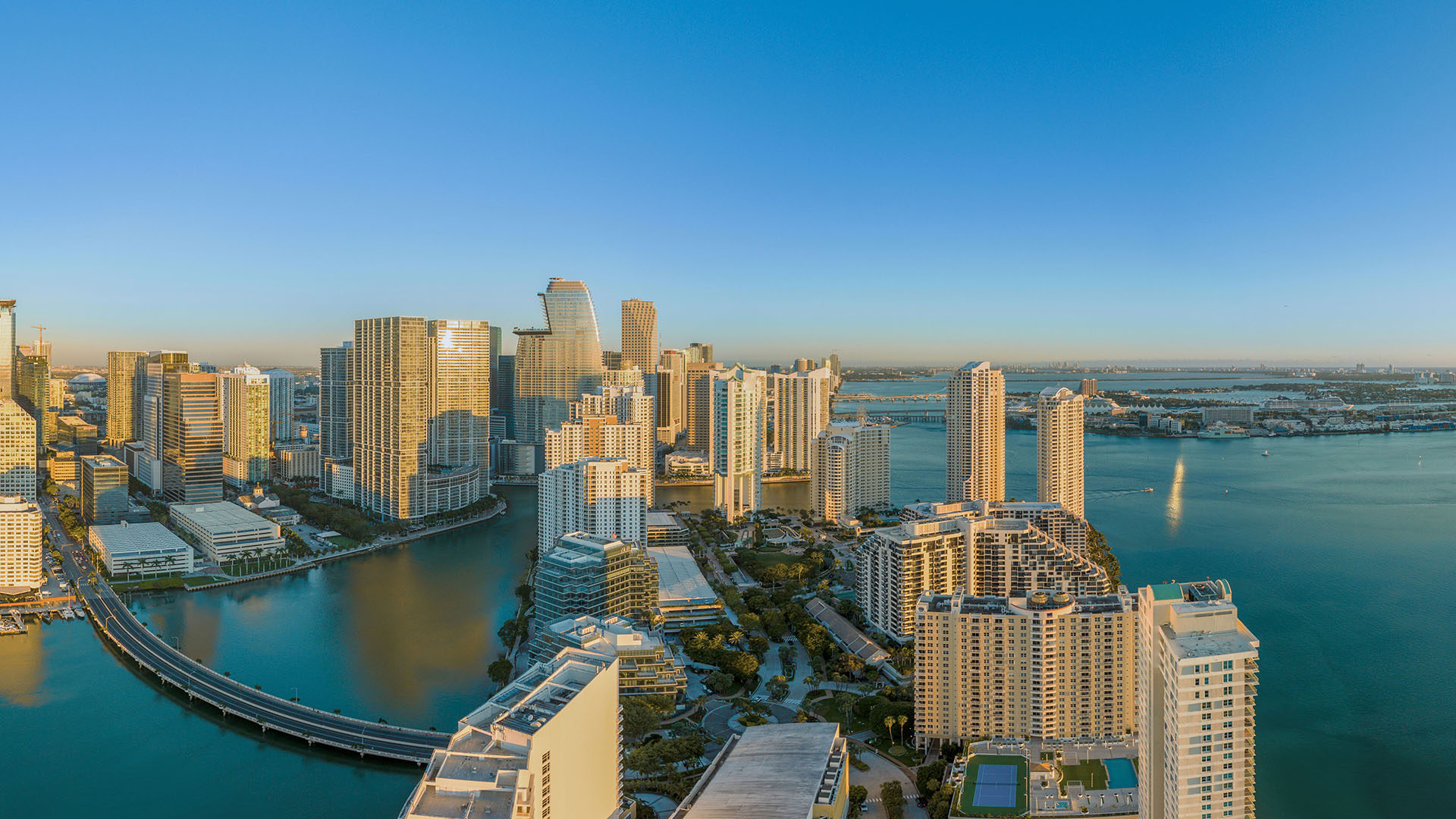
West Broward & South Florida Commercial Real Estate Outlook | March 2026
Why Migration Continues to Shape Demand Across Office, Industrial, and Retail
As we move further into the first quarter of 2026, one macro trend continues to quietly underpin commercial real estate demand across South Florida: migration.
National migration patterns are not just reshaping where people live, they are influencing where companies hire, where services expand, and where capital flows. For commercial real estate owners and investors, migration remains one of the most reliable leading indicators of long-term demand.
The Big Picture: Migration Is Reshaping the U.S. Map
According to the 2025 U-Haul Growth Index, based on more than 2.5 million one-way household moves, population growth continues to concentrate in the Sun Belt.
The top in-migration states include:
- Texas
- Florida
- North Carolina
- Tennessee
- South Carolina
This sustained movement toward lower-tax, business-friendly, lifestyle-oriented states has direct implications for employment growth, household formation, and ultimately, commercial real estate fundamentals.
Migration is not a short-term spike. It is a structural shift.
What Migration Means for South Florida
Florida now ranks among the top states nationally for inbound migration, with growth concentrated across Miami-Dade, Broward, and Palm Beach counties. In South Florida, population growth continues to translate into:
- Expanding housing demand
- Workforce relocation and job creation
- Increased need for medical, professional, and service-based businesses
- Ongoing demand for logistics, last-mile distribution, and retail services
For commercial real estate, this creates durable demand drivers, even as individual asset classes experience cyclical pressure.
Office Demand: Selective, Not Gone
Migration-driven population and employment growth continues to support office demand, but in a more selective form.
Across South Florida and West Broward specifically, tenants are prioritizing:
- Well-located, accessible suburban submarkets
- Walkable or amenity-rich environments
- Modernized, efficient floorplans
- Move-in ready space that reduces uncertainty
Office demand is no longer broad-based, but it remains very real for properties that align with how companies want to operate and attract talent in 2026.
Industrial Demand: A Migration-Driven Story
Industrial real estate remains one of the clearest beneficiaries of population growth.
More residents mean more consumption, which continues to drive demand for:
- Last-mile and infill warehouse locations
- Distribution and logistics facilities
- Light industrial and flex product serving local businesses
In South Florida, limited land availability and zoning constraints continue to keep industrial fundamentals relatively tight, reinforcing long-term demand even as leasing velocity normalizes from prior peaks.
Retail Demand: Still Follows Rooftops
Retail continues to follow population growth, particularly in high-density and mixed-use corridors.
What is performing best:
- Grocery-anchored and necessity retail
- Medical, wellness, and service-oriented uses
- Dining and experiential concepts
- Retail integrated into residential and mixed-use developments
As new residents arrive, everyday services expand first. This keeps well-located retail centers relevant and defensible, even in a more cost-conscious consumer environment.
What This Means for Property Owners in 2026
Migration does not lift all properties equally. It rewards preparation and execution.
Owners who are best positioned in 2026 are those who:
- Align pricing with real-time, submarket-specific demand
- Invest selectively in improvements that reduce friction for tenants
- Focus on tenant retention and operational efficiency
- Understand which asset types and tenant categories are actually expanding
Following the people only works if your asset is positioned to serve them.
How CMV Commercial Helps Owners Capitalize on These Trends
At CMV Commercial – The Martinez Team, we help property owners, investors, and operators translate macro trends like migration into practical, asset-level strategy.
Our work includes:
- Evaluating how population and employment growth impacts specific submarkets
- Positioning office, industrial, and retail assets for current tenant demand
- Benchmarking rents and concessions against real-time market data
- Advising on leasing, renewal, and repositioning strategies
- Helping owners make informed decisions in a selective market
Our approach is data-driven, local, and focused on execution.
Looking Ahead
Migration remains one of the strongest long-term signals supporting South Florida’s commercial real estate market. While each asset class responds differently, the underlying demand story remains tied to where people choose to live, work, and spend.
As 2026 unfolds, owners who align strategy with these fundamentals will be best positioned to capture opportunity.